
Park Rangers wear many hats in their career. Not only was I a Park Ranger, but I also had a red card certification, an Interagency certification as a wildland firefighter. Needless to say, wildfire season is personal for me.
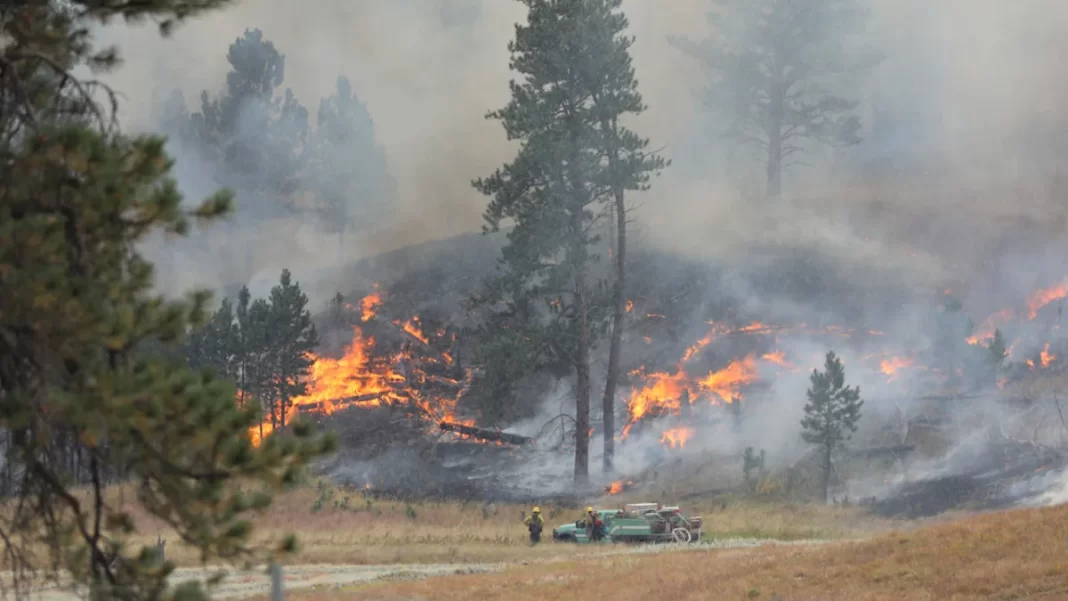
I noticed the first park I worked at, Sun Lakes State Park in Washington, was just under Level 3 “GO NOW” evacuations due to the 3,500-acre Garred Road Fire. The fire forced the closure of campsites and nearby highways, though firefighters successfully contained it without significant damage to primary structures. Officials have since downgraded the emergency status, and guests have been cleared to return to the area. It is the kind of close call that sticks with you, and it is a reminder of exactly why fire restrictions matter.

Helicopter getting water to fight fire
(John Tillison/ ParkRangerJohn)
If you are planning to go camping or spend time outdoors this summer, it is time to start checking fire restriction pages before you pack the car, not after you arrive. Drought conditions, low humidity, and dry vegetation across the West, Southwest, and Pacific Northwest have pushed several parks into restrictions earlier and more aggressively than usual this year. Rocky Mountain National Park escalated to a full fire ban just yesterday. Several other parks have been under restrictions for weeks already.
This is not a one-region problem. Restrictions are currently active in the Rockies, the desert Southwest, the Pacific Northwest, and the California parks, with several agencies warning that conditions are likely to get worse before they improve. Below is a park-by-park list of parks that I have found where things stand as of today, with a direct link to each park’s official page so you always get the current status, even if it changes after this article is published.
Click on the Park Name Below for Current Fire Restrictions
Olympic National Park, WA: The Staircase area and campground are currently closed due to wildfire impacts, and campfire restrictions
None of this means your trip is in jeopardy. Most restrictions still allow gas and propane stoves, lanterns, and heaters, so you can cook a hot meal and stay warm at night without breaking any rules. What changes is the campfire experience itself. If a campfire is normally the centerpiece of your evenings at camp, build in a backup plan for entertainment. A good headlamp and a stack of camping games go a long way toward keeping the evening fun around the picnic table instead of around a fire.
It is also worth remembering that restrictions can change with very little notice in either direction. A single significant rain event can lift a Stage 2 ban within days, and a hot, dry, windy forecast can push a park from no restrictions to a full ban just as fast as Rocky Mountain did this week.
How to Check Before You Go
Check the park’s official nps.gov fire restrictions or current conditions page the morning you leave, not the week before.
Follow the park’s Facebook page. Many parks post restriction changes there first, often hours before the website updates.
Call the visitor center directly if a campfire is central to your trip plans, especially for smaller sites like national preserves and monuments.
If you are traveling between multiple parks or crossing state and federal land boundaries, check each one separately. Restrictions are set unit by unit and do not automatically match neighboring land.
Fireworks are always prohibited on federal public land, restrictions or not.
Fire restrictions exist because they work. Nearly every wildfire in a national park starts with a human cause: an unattended campfire, a dropped cigarette, a spark from dragging trailer chains. Checking conditions before you go takes five minutes, and it is one of the simplest ways to help protect the places we all love to visit, along with the rangers and firefighters who would otherwise be the ones putting those fires out.
PSA: Buy It Where You Burn It
Even when a park allows campfires, buy your firewood where you plan to burn it. Firewood carried in from another region can bring invasive pests and tree diseases with it, and those pests spread fast once they get into a new forest. Buying local keeps forests healthier and helps reduce the risk of wildfire down the line. For more information, visit DontMoveFirewood.org.
I hope this does not deter you from spending time outdoors this season. Just make sure to come well-informed and well-prepared this summer. That’s the key to a great vacation and a lifetime of memories.
Planning a national park trip this summer? Browse more national park travel guides and tips at ParkRangerJohn.com before you head out.