Sunday, September 6, 2026
25.8 C
London

Video game makers really don’t want to give their customers tariff refunds


  • Tariff refunds may not be in the loot box for gamers.

  • Sony’s legal team said it shouldn’t have to pass on tariff-related refunds to its consumers.

  • Nintendo and Microsoft made similar arguments in recent legal filings.

The biggest video game makers don’t want to give you back your loot.

When President Donald Trump imposed sweeping tariffs by executive order last year, Sony, Microsoft, and Nintendo all raised their prices, passing those increased costs onto their customers. At the time, the companies said the price hikes were due to market conditions and the shifting economic landscape.

Now, after the US Supreme Court ruled that Trump’s tariffs were illegal, forcing the administration to refund companies for tariffs they paid, those same video game makers are now arguing in court that they don’t have to pass them back to their customers.

While big-box retailers like Walmart and Costco have said they intend to lower costs for consumers who were squeezed by tariff-related price hikes, the big video game makers haven’t taken that route.

Sony

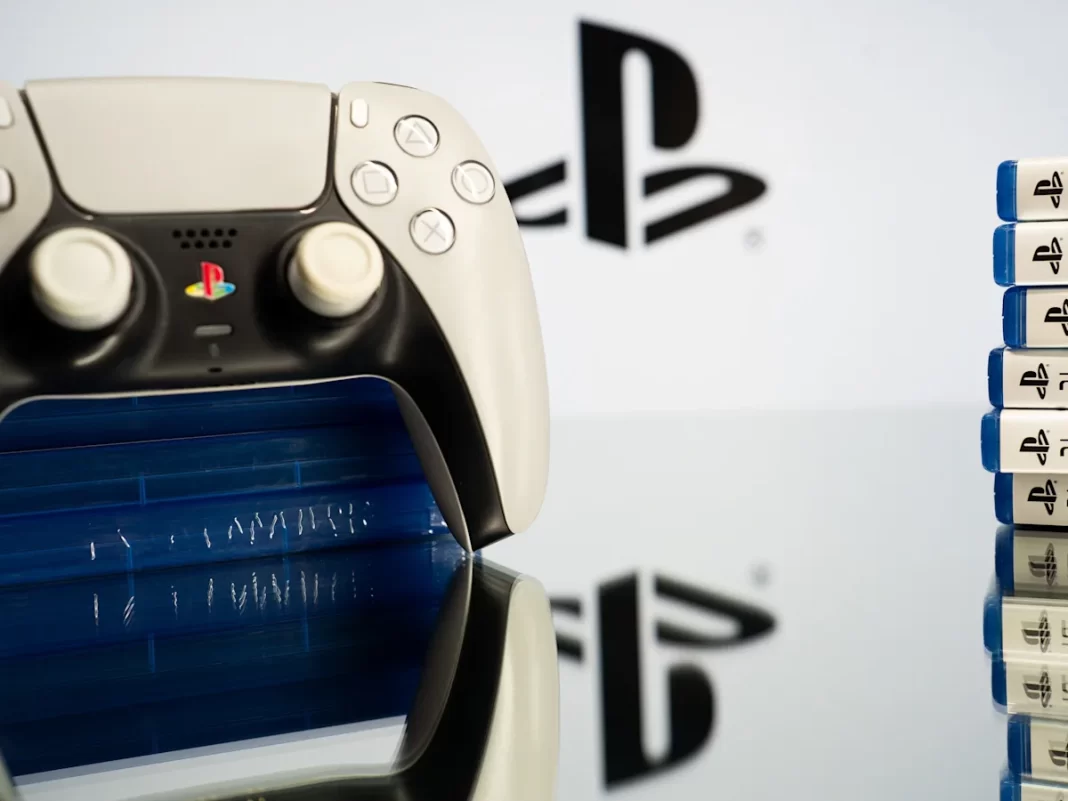
Attorneys for Sony Interactive Entertainment sought to dismiss a class-action lawsuit filed against the company in May. In the suit, plaintiffs said Sony charged consumers inflated prices for PlayStation consoles after the tariffs were imposed, and then sought refunds from the US government.

On Monday, Sony’s legal team brushed off those claims.

“They suffered no cognizable injury because they voluntarily paid the advertised prices for the consoles and received exactly what they paid for—working consoles,” the attorneys said.

They added that the plaintiffs “received the consoles they willingly purchased at the advertised prices.”

“Pricing decisions involve many factors—inflation, supply chain costs, currency fluctuations, and demand—and Plaintiffs do not plausibly allege that tariffs caused the console price increases.”

The company said it expects to receive around 80 billion yen — or $510 million — in tariff refunds across the Sony Group during a quarterly meeting this July.

Microsft

Xbox owner Microsoft doesn’t want to give consumers tariff refunds, either. In July, consumers said Microsoft increased prices for Xbox consoles and other products in response to the tariffs and then sought tariff refunds, which they consider “unjust.” Microsoft sought to dismiss the class action lawsuit in late August.

“He paid for it, he received it, and he continues to use it. Plaintiff received the benefit of his bargain. But now he wants to go back and renegotiate the price he paid,” Microsoft attorneys said of the plaintiff. “He does not allege that the Xbox does not work the way he thought it would, that Microsoft made any misrepresentations about the Xbox’s qualities, or that he paid the price for the Xbox only because he believed that it was based on a tariff.”

Microsoft said there are several reasons companies adjust prices.

“Companies set prices based on many factors, including component costs, overhead, competition, and taxes — and those factors fluctuate over time,” the company says in its request for dismissal. “Companies have no obligation to adjust those prices up or down day by day based on forecasts that do or do not materialize.”

The company has not publicly disclosed how much it expects to receive in tariff refunds.

Nintendo

Nintendo kicked off this trend when it sought to dismiss a lawsuit related to consumer tariff refunds in July. Three months earlier, the plaintiffs said Nintendo of America raised retail prices to offset tariffs, sought tariff refunds, and did not make a legally binding commitment to repay consumers.

In its motion to dismiss, Nintendo of America said plaintiffs knew what they were getting into.

“Plaintiffs now claim that they are entitled to recover some or all of those refunds. Plaintiffs do not dispute that Nintendo’s pricing adjustments were lawful,” attorneys said. “Nor do Plaintiffs allege that Nintendo breached any term of sale or misled consumers. To the contrary, Plaintiffs admit that Nintendo provided advance notice to the public that tariffs were among the market conditions that informed its pricing.”

Nintendo said it recorded a $300 million tariff refund.

In its legal filing, Nintendo said it adjusted prices in response to labor, shipping, and memory costs, as well as tariffs.

If you enjoyed this story, be sure to follow Business Insider on Yahoo.


.

Hot this week

Missouri winter forecast calls for less snow, milder temperatures

After enduring multiple stretches of sweltering heat this summer,...

Multiple people shot at apparent house party in Taunton, police say

Multiple people were shot at an apparent house party...

A whiplash election year enters its final stretch as Trump holds wild cards

WASHINGTON (AP) — In the earliest days of this...

US carrier Abraham Lincoln departs Thailand after respite visit

Sept 6 (Reuters) - The U.S. aircraft carrier Abraham...

Lincoln-Way East HS students involved in ‘racist harassment’ at Homewood-Flossmoor HS football game

An investigation is underway in the south suburbs, and...

Topics

Missouri winter forecast calls for less snow, milder temperatures

After enduring multiple stretches of sweltering heat this summer,...

Multiple people shot at apparent house party in Taunton, police say

Multiple people were shot at an apparent house party...

US carrier Abraham Lincoln departs Thailand after respite visit

Sept 6 (Reuters) - The U.S. aircraft carrier Abraham...

‘Teen takeover’ trend hits AlterFest, prompts new curfew

AlterFest is now implementing a new curfew following an...

Trump, Vance to speak at RNC Midterm Convention in Dallas

President Trump is set to deliver a keynote address...

Millions under severe weather threat over Labor Day weekend

Nearly 10 million people are facing severe weather threats...
spot_img

Related Articles

Popular Categories

spot_imgspot_img