
With the World Cup well underway, a new genre of horror story has been spreading online. It goes like this: Months in advance, a diehard supporter of [insert national team here] purchases tickets to attend the match of their dreams. Some of them pay thousands of dollars for the privilege, plus thousands more for flights and hotels. Some travel halfway around the world. Some bring an elderly relative who’s even more passionate about the team than they are. Some bring their adorable children.
But right before kickoff, their tickets are nowhere to be found. They’re stranded outside the stadium. They miss the match of their dreams.
The source of such snafus is almost always the resale site StubHub — or, less often, one of its secondary-market rivals such as SeatGeek or Vivid Seats.
Here are a few examples (culled from the hundreds circulating on social media and Reddit):
How is this even possible?
How could an 89-year-old San Diegan get turned away in Guadalajara, Mexico, after his granddaughter dropped $6,000 on tickets for the two of them? How could a grandmother and her 13-year-old grandson miss Cape Verde tie Spain in Atlanta when their tickets failed to load outside the gate? Isn’t StubHub (which has been in business for more than 25 years) a reliable site?
To be sure, far more fans have received the tickets they purchased on secondary platforms like StubHub without any problems. But the buyers who’ve been screwed are furious — and their stories suggest that the World Cup has exposed real flaws in the resale system.
So what’s going on? In a statement to the Associated Press, StubHub blamed FIFA for its “poor technology infrastructure” and enacting last-minute transfer restrictions. It also said the soccer organization didn’t launch its new ticketing app until a few weeks before the tournament and claimed that World Cup organizers had taken “anti-competitive actions” to limit where fans can buy and sell tickets.
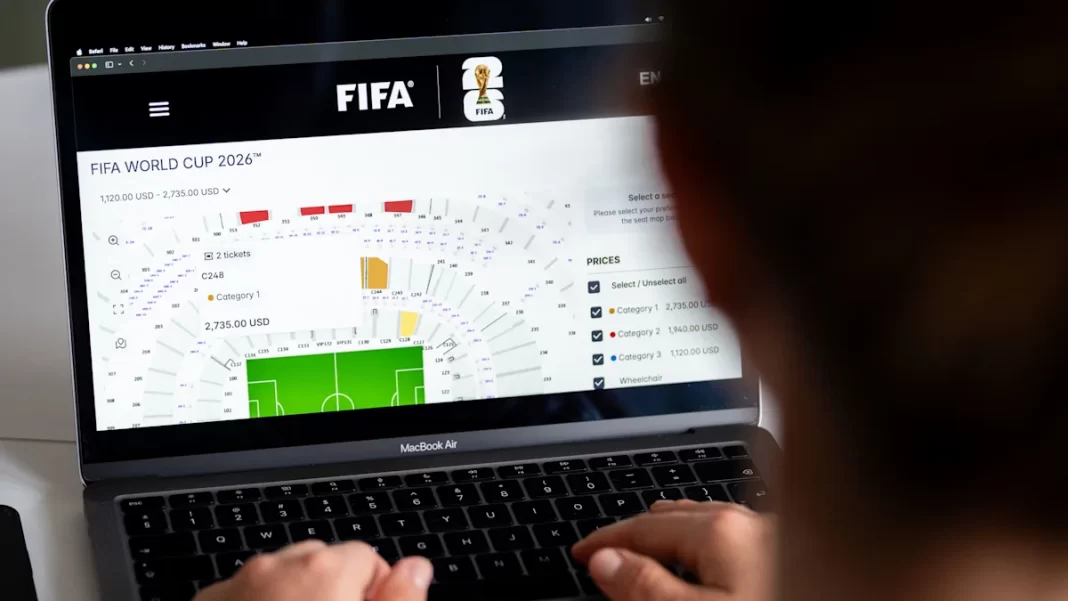
FIFA emphasized that sales through its website are guaranteed to work. But since World Cup tickets first went on sale last September, buying them hasn’t been the smoothest ride. Users have consistently complained about long wait times, awkward interfaces and weird checkout glitches. The New York and New Jersey attorneys general have even subpoenaed FIFA to investigate its ticketing practices after fans alleged that they were misled about seating maps.
And every World Cup ticket originates on FIFA’s site, so when someone tries to resell one of them on a secondary ticketing platform like StubHub, it has to cycle back through FIFA’s system before it can be transferred to its new buyer — a process that invites technical troubles.
But ticketing experts say that’s only part of the story here. According to Scott Friedman, an industry veteran and cofounder of a consultancy called the Ticket Talk Network, the real villains are speculative sellers — people who sell so-called ghost tickets they don’t actually have yet. “This is not new at all,” Friedman told the Associated Press. “This has been going on, but it’s making global news because it’s the World Cup.”
The ‘ghost’ ticket problem
Sites like StubHub don’t actually sell tickets; they just connect buyers and sellers (and take a cut of the sale price). So it’s effectively an honor system. On top of that, sellers aren’t always required to upload their tickets immediately or provide proof of purchase, and sometimes they’re allowed to wait until the day of the event itself to electronically hand them over.
In an environment like that, it’s easy to see how buyers could get shafted, especially at the World Cup. For resellers — or brokers, scalpers or whatever you want to call them — the idea, according to a recent Business Insider report, is that you list tickets at the going rate long before a game while betting that prices will plummet as the game approaches (which they often do). Then, at the last minute, you snap up similar tickets for less, transfer them to your buyer and pocket a hefty profit.
But prices for World Cup tickets have mostly been going up, not down — meaning that resellers would actually lose money with that scheme. So they’ve been canceling their ghost orders instead, according to Friedman, and likely re-listing tickets to the same matches at the new, higher price point.
Meanwhile, buyers on the losing end of such transactions have been left without much recourse. If tickets fail to materialize, StubHub’s “FanProtect Guarantee” promises replacements or a refund. But the policy is applied at the company’s “sole discretion” — and so far, nearly every wronged fan complaining online has received their money back rather than new tickets. Unfortunately, a refund is relatively useless when comparable tickets cost so much more than they used to — and it does nothing to compensate fans for flights, hotels and other travel costs.
For the record, StubHub says it requires sellers to provide proof of purchase, charges a 200% fee for canceled orders and prohibits speculative ticket sales entirely. But reporting by the Athletic suggests that resellers have figured out how to dodge at least some of these rules.
Where to find last-minute World Cup tickets
Many buyers gravitate toward sites like StubHub and SeatGeek because they’re easy to find and navigate. And even though FIFA has repeatedly urged fans to stick to its official ticketing platform, there are still lots of World Cup tickets available on the secondary market (if you’re willing to shell out). The chances of getting a ghost ticket are likely lower at this point as well, since prices have mostly gone up rather than down.
But it’s worth trying FIFA’s two remaining options before you resort to third-party sites: Last-Minute Sales and Resale Marketplace.
For the past few months, FIFA has been quietly releasing batches of thousands of unsold tickets at the first link; buyers looking to offload their own tickets have been listing them at the second. The user experience is, indeed, awkward: First, you have to register and create a FIFA ID; then you have to enter a six-digit security code; then you have to join a “queue” and wait for up to 20 minutes; then you have to enter a CAPTCHA code to prove you’re human; and then, once you’re finally in, the actual seat maps function like something from 2002.
But at least on Tuesday, a few hours before kickoff, it was briefly possible to find a few isolated tickets to that afternoon’s highly anticipated England-Ghana match for about $550 — not cheap, certainly, but not exorbitant by the standards of the most expensive World Cup in history.