
Millions of Americans with Medicare prescription drug coverage — the vast majority of them seniors — could pay higher monthly premiums next year, after the end of a temporary federal subsidy program.
The Trump administration will end the temporary Medicare Part D subsidy program after 2026, the Centers for Medicare & Medicaid Services (CMS) announced last week. The agency said that the program was temporary and insurers no longer need federal support to price their Medicare Part D plans.
There are roughly 25 million people with Part D standalone drug plans, according to Reuters. Critics warn that most of them could end up paying higher premiums, though CMS says many payments will remain the same or even decrease.
Democrat Senate Minority Leader Chuck Schumer wrote on X that the Trump administration was acting in a “heartless, cruel” way and “completely by choice.”
The advocacy group Families USA called it an “unnecessary blow to seniors” and disputed CMS’s projections, telling Yahoo News that ending the temporary program could leave some beneficiaries paying higher monthly premiums in 2027.
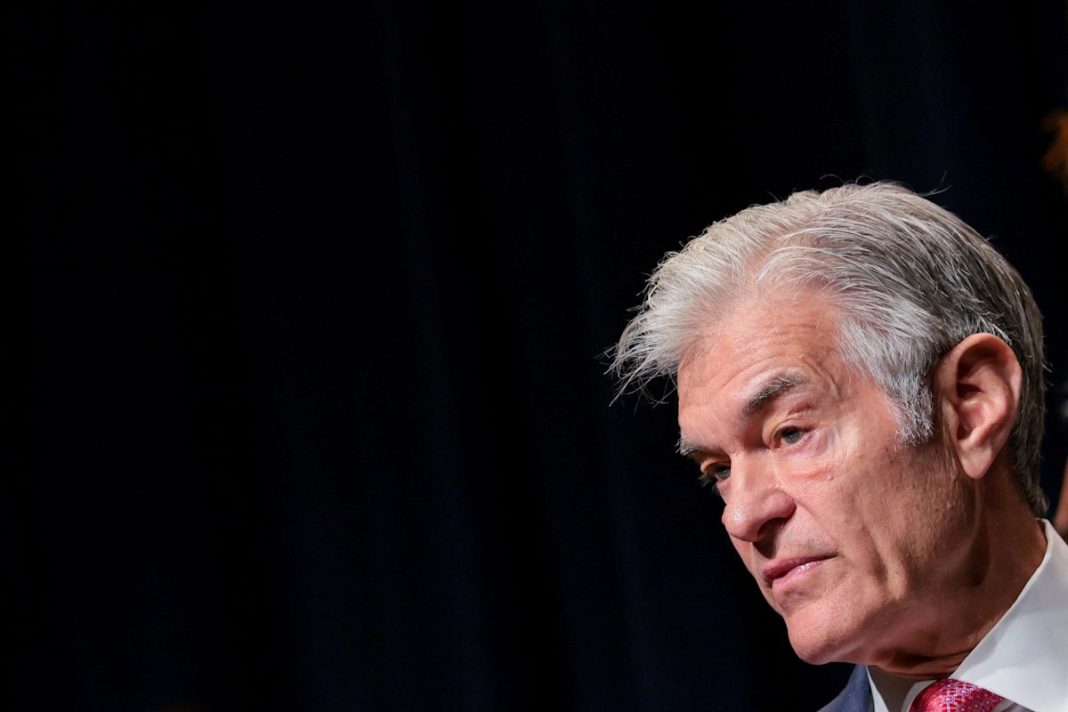
Addressing the criticism on X, CMS Administrator Dr. Mehmet Oz said: “We are stabilizing the market so this bailout is no longer needed. Every Medicare beneficiary still has access to low-cost plans, and we will continue to lower prescription drug prices for every American patient, from more MFN deals to our policy giving seniors access to GLP-1s for $50 a month.”
A CMS spokesperson told Yahoo: “The Part D market is stabilizing following three years of disruption due to the Inflation Reduction Act redesign in plan years 2024, 2025, and 2026—this demonstration was always intended to be a temporary measure to address market instability.
“We understand that outside organizations without plan bid information have voiced concerns, however our data shows that plan bids have stabilized.”
Here’s what we know about the changes and what they could mean for your wallet.
Why were the Medicare Part D subsidies introduced?
The Medicare Part D subsidy program, officially called the Part D Premium Stabilization Demonstration, was introduced by the Biden administration on Jan. 1, 2025, as major changes to the prescription drug benefit took effect as part of the Inflation Reduction Act.
The law introduced an annual cap on out-of-pocket spending over several years, set at $2,000 in 2025, rising to $2,100 in 2026 and $2,400 in 2027. It also made recommended vaccines available at no cost and required drug manufacturers and Medicare to shoulder a larger share of prescription drug costs.
These changes shifted more of the cost of expensive prescription drugs from patients to insurers, drugmakers and Medicare, while also raising insurers’ costs and putting upward pressure on monthly premiums.
The Part D Premium Stabilization Demonstration was then introduced to keep monthly Part D premiums lower and more predictable for up to 25 million Medicare beneficiaries, primarily older Americans, as well as younger people with qualifying disabilities.
What’s changing in 2027?
The Medicare Part D Premium Stabilization Demonstration will end on Dec. 31, 2026, and will not continue into 2027.
CMS said insurers had gained enough experience with Medicare Part D to set premiums accurately without support from the temporary program.
“Premiums will go up by less than $10 for most Medicare recipients, with many even seeing lower premiums,” CMS Administrator Oz said in a post on X.
While the temporary premium subsidy will end, the broader Medicare prescription drug reforms will remain in place, including the annual out-of-pocket cap, lower insulin costs, free recommended vaccines and the redesigned Part D benefit.
What does this mean for Medicare beneficiaries?
Some consumer advocates say it is too early to know exactly how much beneficiaries will pay until Medicare releases final Part D plans and premiums later this year, while others expect premiums to rise more sharply.
Families USA pointed to estimates showing that the average standalone Medicare Part D premium is $36 a month in 2026. Without the temporary program, beneficiaries would have paid nearly 50% more for their drug coverage this year, according to an analysis by KFF, formerly the Kaiser Family Foundation, cited by the organization.
“This program was never meant to be a permanent solution, but at a time when consumer costs are out of control — and with an administration that explicitly promised to bring down costs — CMS should be prioritizing lowering out-of-pocket costs for seniors, rather than increasing them,” Erin Hemlin, senior director of communications at Families USA, told Yahoo News.
The Center for Medicare Advocacy said the decision could have broader consequences for Medicare coverage.
“Ending this demonstration, which was intended to last at least three years, after only two years will likely lead to more people facing challenges affording their drug coverage next year,” David Lipschutz, the organization’s associate director and senior policy attorney, told Yahoo News.
AARP also expressed concern about ending the program, but said it was too early to know the full impact. Executive vice president and chief advocacy and engagement Officer Nancy LeaMond told Yahoo News it “would be unfortunate if this decision made Part D coverage less affordable, just as we’re beginning to see billions in savings from Medicare drug price negotiation.”
What should people do?
Once final Medicare Part D plans and premiums for 2027 are released later this year, the Center for Medicare Advocacy recommends that beneficiaries compare their prescription drug coverage during Medicare open enrollment because plan costs and benefits can change from year to year.
“Folks should also keep in mind that there are trade-offs between switching from original/traditional Medicare to Medicare Advantage and that there are many considerations other than monthly premiums,” Lipschutz told Yahoo News.
“People would be well served by contacting and seeking advice from their local State Health Insurance Assistance Program (SHIP), which might go by another name in their state.”
Families USA also encouraged beneficiaries to review their options during open enrollment, saying shopping around could help reduce prescription drug costs if premiums increase next year.
“While it is unfortunate that the majority will likely see a premium increase, comparing plans and picking the appropriate plan for them may save on their prescriptions,” Hemlin added.