

By Siyi Liu and Chen Aizhu
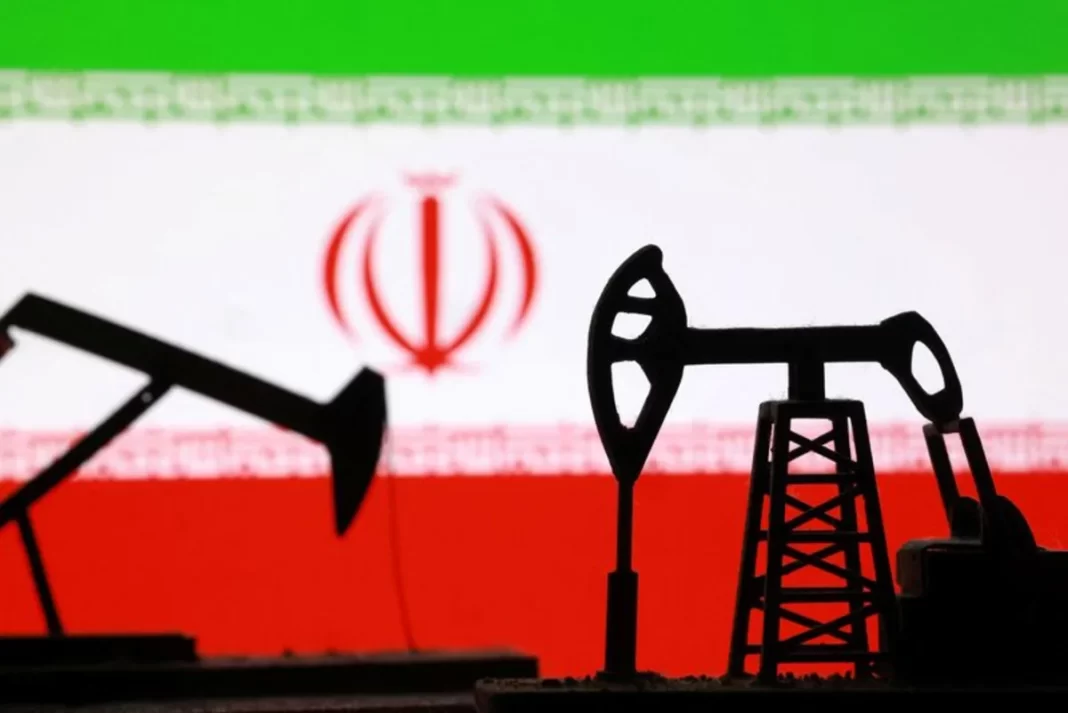
SINGAPORE, Aug 21 (Reuters) – Offers of Iranian crude to Chinese buyers have declined and prices have jumped this week as the U.S. blockade has cut Tehran’s shipments, according to trade sources, with the threat of more sanctions from Washington looming.
The U.S. re-imposed its blockade of Iran’s shipping and ports on July 13 as a deal to halt the war between them broke down in an attempt to cut off oil sales — Tehran’s primary source of hard currency — compounding earlier losses from wartime strikes on its energy infrastructure.
The number of offers for Iranian oil cargoes to China for September and October delivery has declined from July and August cargoes, four trade sources familiar with the matter said. The offers have declined as barrels already in ships on the water have been sold, they said.
Iran’s oil exports have fallen since mid-July, with no visible crossings of the Strait of Hormuz by supertankers carrying Iranian crude since then, according to data from ship-tracking company Kpler, although many vessels turn off their location transponders, making them difficult to track.
The squeeze threatens a key feedstock for independent refiners, known colloquially as teapots, located in China’s eastern province of Shandong, which account for about a fifth of China’s refining capacity and are the top buyers of sanctioned oil.
Three of the trade sources said some Iranian crude, typically sold at discounts, was being offered at premiums to ICE Brent futures, with one source citing a premium of about $2 a barrel. That was an abrupt shift as cargoes of Iranian Light were being offered earlier this week at a discount of around $3 a barrel, the same as a month earlier.
Iranian crude held in floating storage outside the U.S. blockade zone has fallen to about 80 million barrels from about 105 million barrels before the blockade was reinstated, Kpler data showed.
Two of the sources estimated that only about 30 million barrels of Iranian crude remained in Asian waters, half of the usual levels.
Kpler Senior Crude Oil Analyst Muyu Xu estimated there are 40 million barrels of Iranian oil on ships in Malaysian waters east of Singapore, though most of that has been promised to buyers.
“This suggests buyers could face virtually no new Iranian supplies available for late-September delivery onwards since no laden Iranian tankers have so far managed to break through the US blockade,” she wrote in a Friday LinkedIn post.
UNCERTAIN SUPPLY
With the uncertainty over Iranian supplies, one teapot bought Brazil’s Lapa crude this week, while others were looking at Iraq’s Basrah crude, two of the sources said.