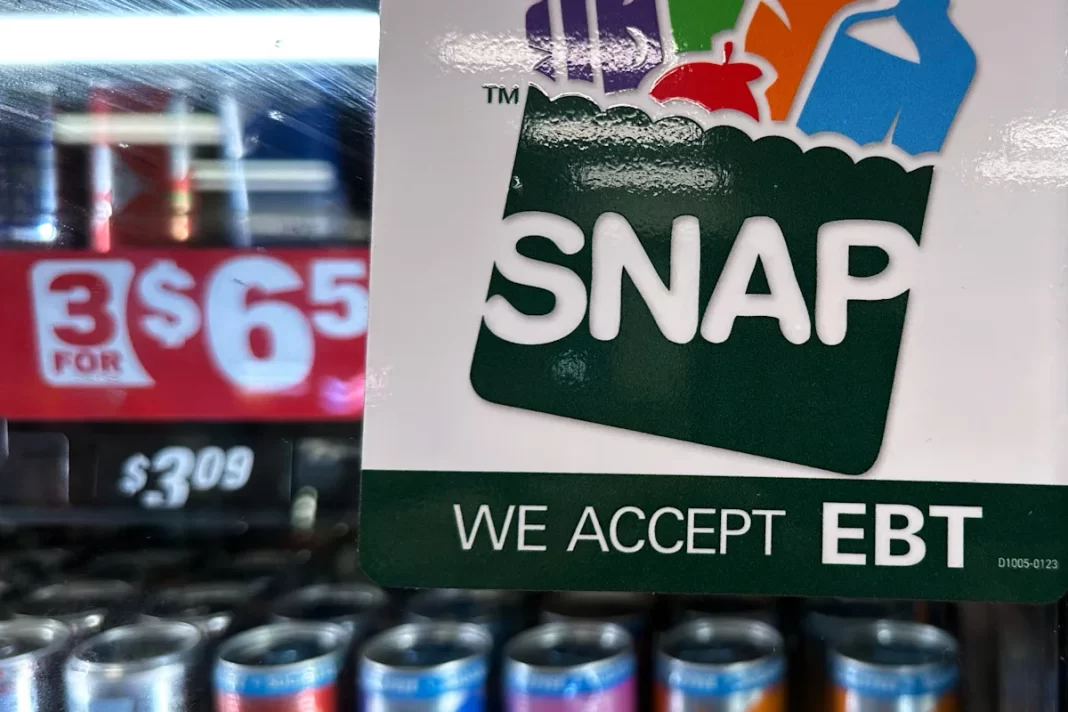

A federal judge has ruled that the U.S. Department of Agriculture (USDA) lacked the authority to approve state restrictions on certain SNAP purchases, blocking the rollout of a policy barring beneficiaries from buying certain food and beverages in five states — and raising questions about similar bans being approved elsewhere.
In a June 22 ruling, U.S. District Judge Amy Berman Jackson found USDA lacked authority to approve “waivers”, which excluded certain foods from SNAP eligibility, including products states classified as “junk food.” In her ruling, Jackson said that USDA was not authorized “to cut types of food out of SNAP entirely.”
While the restrictions varied by state, waivers approved in 23 states would generally have barred SNAP recipients from using their benefits to purchase products such as soda, energy drinks, and candy.
In response, several SNAP recipients in Colorado, Iowa, Nebraska, Tennessee and West Virginia sued the Agriculture Department in March, arguing the restrictions would “destabilize food access” for beneficiaries and exceeded the agency’s legal authority.
“Congress defined what ‘food’ is supposed to be, and it did not authorize the agency to amend or waive the definition it enacted,” the judge wrote.
While the Trump administration has not said if it plans to appeal the ruling, Agriculture Secretary Brooke Rollins posted on social media that the administration “will keep fighting to Make America Healthy Again.”
How has the government tried to block the purchase of junk food with SNAP?
The Trump administration invited states to apply for waivers allowing them to restrict SNAP purchases of products such as soda, candy and energy drinks as part of its “Make America Healthy Again” initiative.
Administration officials said the policy was intended to combat obesity and chronic disease, return SNAP to its “nutritional purpose” and ensure taxpayer dollars were spent on healthier food choices. To do that, states could apply for waivers allowing them to restrict purchases of certain products using SNAP benefits.
Nebraska became the first state to receive approval in May 2025, followed by Indiana and Iowa, before USDA expanded the program to 23 states.
The waivers were approved as demonstration projects, allowing states to test restrictions on foods that are otherwise eligible for purchase under SNAP.
To enforce the restrictions, retailers would update their checkout systems so SNAP EBT cards would decline purchases of prohibited items while still allowing customers to buy them with cash, debit or credit.
The specific restrictions varied by state, with some targeting soda and candy while others applied more broadly.
What states are affected by the ruling?
For now, the ruling blocks any restrictions being placed on SNAP food purchases in Colorado, Iowa, Nebraska, Tennessee and West Virginia.
The decision does not immediately affect the 18 other states with approved waivers. These states have either already implemented restrictions or are still working toward future implementation.
Arkansas is pressing forward with a SNAP food ban, even in light of the recent ruling.
Announcing the plan on June 29, Gov. Sarah Huckabee Sanders cited an urgent need to combat a “chronic disease epidemic” in America, including high rates of obesity, diabetes and heart disease.
In a news release, the Arkansas governor’s office cited Stanford University research that found restricting the purchase of sugary drinks with food stamps could reduce rates of obesity and type-2 diabetes. However, overall research remains mixed about whether restricting SNAP purchases improves diet quality and health.
Iowa faced the broadest restrictions. Rather than targeting only soda or candy, its waiver would have barred SNAP purchases of most foods subject to the state’s sales tax, including candy, soft drinks, dietary supplements and prepared foods.
Mississippi has submitted a waiver request that is still awaiting USDA approval, while Alabama, South Dakota and Wisconsin have announced plans to seek waivers. The court’s decision could influence how those requests are handled.
While there are no pending lawsuits at this time, if others are tabled, or if an appeals court upholds Jackson’s ruling, those waivers could also be struck down.