

Hurricane Season 2026, much like 2026 as a whole, is off to a sloppy start.
With AI slop clogging the arteries of society, strategic reserves of chill scraping the bottom of the tank, and time spent dissociating at Costco at record highs, at least there is no need to break out our Kirkland Signature distilled water and 96-packs of AAA batteries for a storm threat in the near future.
And while a smattering of model data hint there may eventually be something to monitor over the course of June, hurricane history suggests that any such system would most likely be a sloppy rainmaker.
All quiet on the Western, Gulf and Carribbean fronts over the next week
In the meantime, the first week of the season will continue to be devoid of any kind of significant tropical disturbances in the Gulf, Caribbean, or Western Atlantic.
There has been plenty of disorganized tropical moisture streaming over Florida and the Southeastern U.S. over the last couple weeks, but brisk wind shear has kept this convection extra sloppy, just the way the you kids like it.
Shear is the changing of wind direction and strength with height, and strong west-to-east upper-level winds over the Gulf Coast have smeared out rising thunderstorms like a bug on the windshield of Rubber Duck’s big rig. That means plenty of beneficial rainfall, but not the concentrated convection that can lead to tropical development. (By the way, Happy Convoy Day on June 6th to all who celebrate.)
This week, an unusually dry airmass will be in place over Florida and the Eastern Gulf, while tropical moisture continues to flow over the western Gulf Coast. Dewpoints in the 50s and 60s will make the next few days disorientingly pleasant for June, but the usual summer swelter and daily thunderstorm chances will return to the Southeast by early next week.
Bottom line, no tropical concerns over the upcoming seven days.
A sloppy storm could develop by mid-month
At longer range, tropical development looks a little more plausible, though there is no specific threat at this point.
A favorable pattern of upper-level winds has already kicked off the first tropical storm of the year in the Eastern Pacific, where an additional storm or two is probable in the next 7 to 10 days, and less-hostile (though not necessarily conducive) conditions for storm formation may arrive in the Gulf and Caribbean towards mid-month.
That’s also the timing for a potential Central American Gyre to slowly spin up, a common trigger for early season storms.
Overall, the takeaway here is that the ceiling for any possible development might shift from extra-sloppy, non-organized rainfall, to a sloppy, weak tropical system by the end of next week. With occasional model support for a slow development in the Gulf or western Caribbean, I’ll keep an eye on things, but there’s no cause for concern.
A disordered start to hurricane season is typical.
A named storm forms in the first ten days of June only about 15% of the time, increasing to about 25% of seasons in the middle and latter thirds of the month.
Due to cooler waters compared to later in the season and their generally short lifespans, June tropical storms have the weakest average intensities of any month of the season; only around one-in-five June storms achieve hurricane strength, compared to three-in-five in September and October.
About 20% of June tropical storms develop 50 miles from U.S. shores
Just 3 major hurricanes have formed in June since 1900, most recently Beryl in 2024.
June tropical activity can be hot messes, but they are often our slop to wade through. The most common locations for June storms to develop are the northwestern Caribbean, eastern Gulf, and off the Southeastern U.S. coast.
Almost 20% of total June tropical activity takes place within 50 miles of the continental U.S., compared to more like 3-5% in the August-October peak of the season.
With the Deep South still mired in severe to exceptional drought, the type of weak but wet storms that are relatively common on the Gulf Coast in June might even be beneficial, to a point.
However, as Hurricane Agnes in 1972 and Tropical Storm Allison in 2001 demonstrate, serious and destructive flash flooding is certainly a possibility, even at the start of the season.
Don’t fall for the fearbait this hurricane season
Which brings me to my final point: when should you be worried? Some might say always.
There’s usually some way to spin a grain of tropical truth into a frightening narrative. For instance, June storms are usually weak, but occasionally highly impactful; 2026 is likely to be a quieter season overall, but will still probably cough up a concerning hairball or two in the next five months.
But I argue that while you should always have your hurricane plans and kits locked in before you have to make tough decisions or fight for Kirkland resources during a storm threat, fear is not a productive emotion. It’s not one I will stoke in this column.
The world of meteorology is awash in misinformation and disinformation.
This was already a problem ten years ago, and it’s only gotten worse now that AI allow bad actors to easily generate text and images to serve whatever narrative keeps a steady stream of frightened clicks rolling in. And that is malpractice.
It erodes the trust that good decisions in disasters are founded on, and ultimately, makes storms more deadly and destructive to people than they need to be. As I’ve discussed, AI/data-driven modeling approaches are improving baseline hurricane forecast skill, and are a piece of the puzzle in the future of meteorology.
On the other hand, AI slop has no valid role in the process of communicating forecast information, one person to another.
So today, I take the Paint Pledge: this column will always be precisely 0% AI content. Every word you read will come from my imperfect, deeply human brain, and all images will be made with Microsoft Paint for Windows 98 or other tools that existed in some form in the late 1900s.
If you’re looking for calm, informed, accurate forecasts to help you make a decision while respecting your emotions, you’re in the right place. If you’re looking for 384-hour GFS false alarm ragebait presented by a sunglasses-wearing polar bear grilling in a windstorm while holding a sign that says “GUULF OPEN 4 BUISNNESS?”, well, there are many other places to find that.
Choose wisely this season, and keep watching the skies.

Ryan Truchelut, WeatherTiger
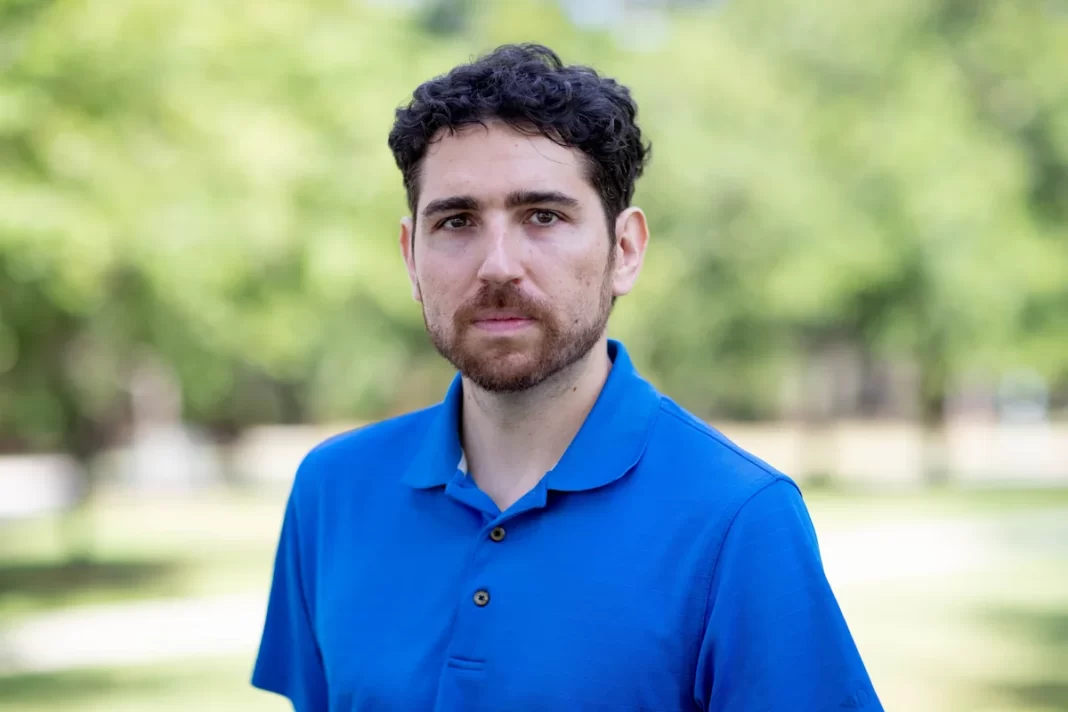
Dr. Ryan Truchelut is chief meteorologist at WeatherTiger, a Tallahassee company providing forensic meteorology expert witness, agricultural, and hurricane forecasting services. Email Truchelut at Ryan@weathertiger.com.
This article originally appeared on Tallahassee Democrat: Hurricane season in June means wet, weak Florida storms