
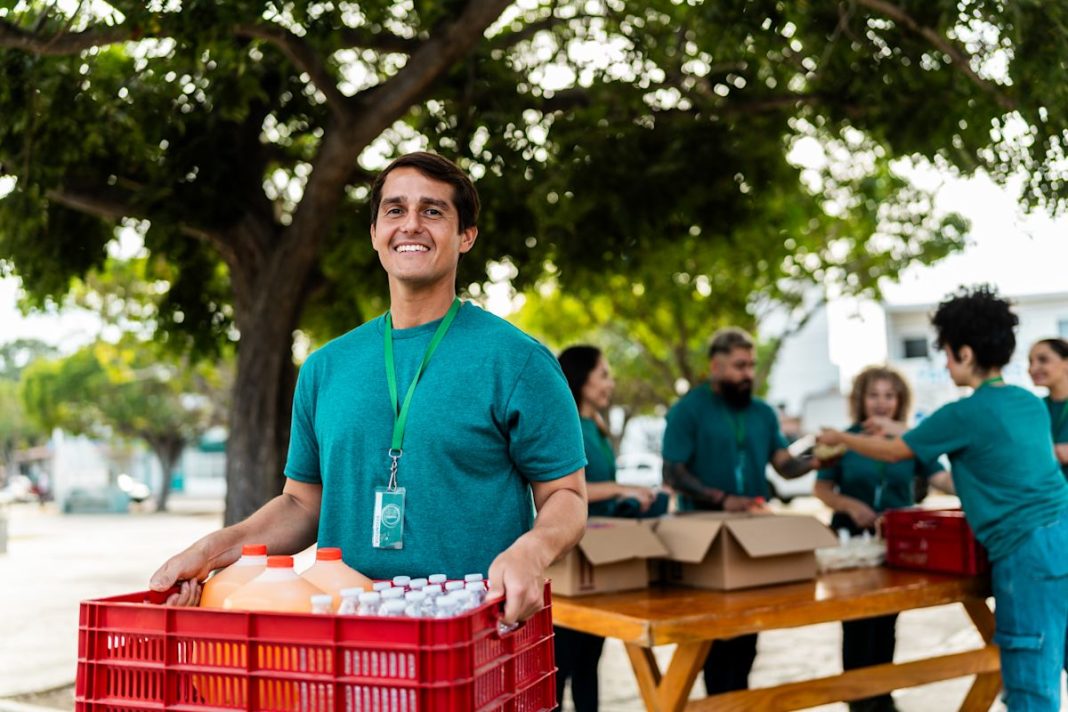

Food pantries exist to help people get through times when keeping enough food in the house becomes difficult. You don’t necessarily have to be unemployed or completely out of money to ask for help. In fact, anyone who needs extra help affording food can visit a food pantry or meal program, although individual locations may have additional requirements.
If you’ve never visited a food pantry before, though, you may wonder how everything works and what’s expected of you. Every organization operates a little differently, but here are a few things worth knowing before your first visit.
Don’t Wait Until Your Kitchen Is Completely Empty
You don’t have to reach a full-blown emergency before looking for help. Feeding America specifically notes that local food banks can help people who need temporary assistance, so struggling to keep groceries in the house is reason enough to see what resources are available.
Check the Pantry’s Rules Before You Go
Food pantries don’t all operate the same way, and requirements can vary by location and program. Some may ask where you live, your household size, or for identification, so check the pantry’s hours and requirements before you go.
Take What Your Household Will Actually Use
When a pantry lets you select your own groceries, choose foods that make sense for your household rather than taking something simply because it’s available. Food Bank for New York City notes that client-choice pantries let people choose based on their preferences, health needs, and circumstances, which can reduce waste while leaving other options for the next family.
Follow the Pantry’s Quantity and Visit Limits
Each food pantry determines how often people can visit and how much food it can distribute based on its resources. Feeding America’s pantry-planning guidance specifically recommends that individual pantries establish guidelines for visit frequency and the amount of food provided, so pay attention to the rules at the location you’re using.
Be Patient With Volunteers and Staff
Food distributions can get busy, especially when demand is high, and volunteers often handle everything from registration and packing to distributing groceries. Food Bank for New York City, for example, reported that more than 7,000 volunteers contributed over 20,000 hours in a year, showing how important volunteers are to keeping these programs running.
Don’t Assume Someone Else Needs It More Than You
One of the biggest barriers is thinking food pantries should be reserved for someone in a worse financial situation. Anyone who needs extra help affording food can seek assistance, although certain local programs may have their own eligibility requirements.
Don’t Judge the Other People in Line
No one person is the same, and circumstances can change quickly. Working families, parents, seniors, and even people who previously never imagined needing a pantry can find themselves seeking temporary help after a loss of income or other financial setback.
Ask About Other Assistance You May Qualify For
A food pantry can sometimes be a starting point for finding additional assistance, not the only resource you use. Feeding America notes that local food banks may also help people connect with programs such as SNAP and other resources available to children, seniors, and families.
Speak Up About Foods You Can’t Use
Some pantries distribute prepacked groceries, while others let visitors select foods based on dietary preferences and household needs. Feeding America’s mobile pantry guidance says some locations offer farmers-market-style selection, and check-in may include questions about dietary preferences, so don’t be afraid to mention a dietary need when the program allows for choices.
Pay It Forward When You’re Able
Needing a food pantry today doesn’t mean you’ll always need one, and there are plenty of ways to help once you’re in a better position. Food banks depend heavily on volunteers and community support, and some volunteers are people who once stood in pantry lines themselves and later returned to help others.