
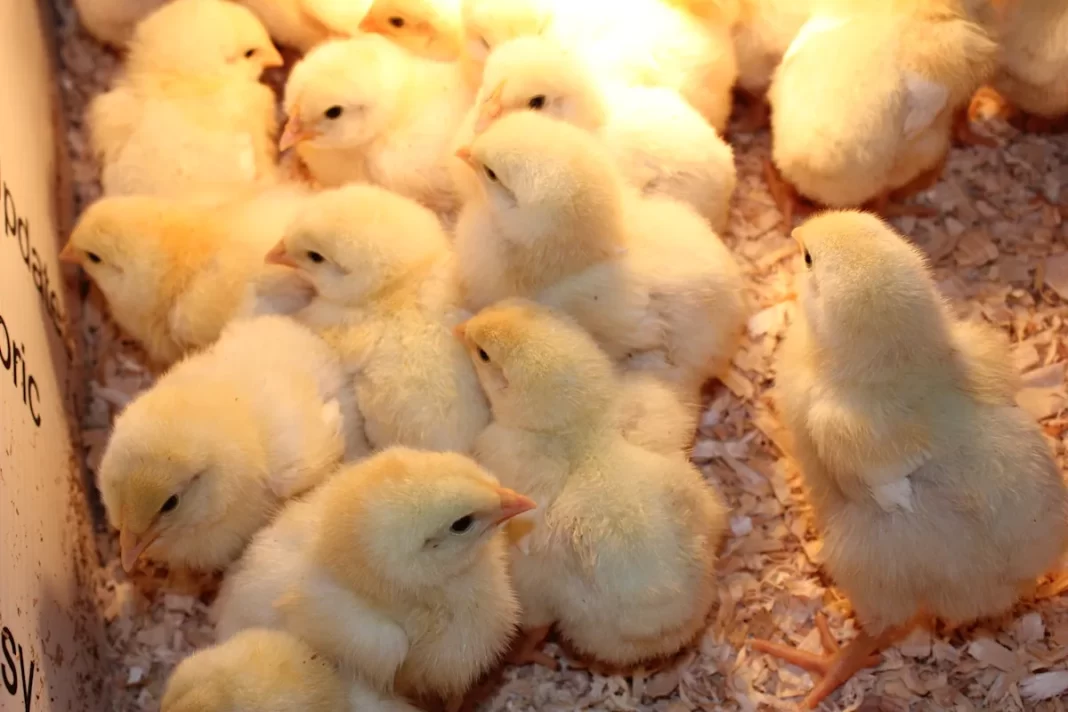

Spring is chick season! Whether you are adding new ones to your flock or this is your first go around, you likely have a few questions. I’ve been raising baby chicks since 2018, and I still find myself asking questions, and that’s okay! As more people start to dabble with backyard flocks, the same few questions keep arising.
So, I figured we should touch on some of the most common questions about baby chicks and take a peek at a few mistakes we sometimes make. When it comes to raising chickens, there is a lot to learn, but also a lot to love. Let’s dive into it.
1. What is Pasty Butt in baby chicks?
If your chick’s butt has dried poop on it, you need to act fast. Pasty buttis when the chick’s droppings stick to them and block their vent. It is often a result of stress, temperature changes, or an incorrect diet. Left untreated, it can be fatal. The sooner you treat it, the better.
The best way to treat a pasty butt is with warm water. Being gentle is key here. Some people use a warm cloth to gently remove the blockage, while others like to use warm running water over their butts to clear the area.
Once the blockage is cleared, be sure to gently but thoroughly dry the chick. You can use a warm, soft towel to do so. Some people use a hair dryer on low heat to make sure the job is completely done. Then it is best to put a dab of vaseline on the chick’s vent to prevent it from recurring. Closely monitor the chicks afterwards to make sure pasty butt doesn’t strike again.
2. Do chicks need electrolytes and probiotics in their water?
The short and sweet simple answer here is no, but I highly recommend it at first. Your chicks undergo a lot of stress the first week, especially if they have been shipped and moved around a lot. Electrolytes are a great short-term boost that can help ensure your chick gets and stays hydrated during this stressful time. Probiotics support gut health, can improve digestion, and are great for periods of high stress.
However, the chick feed you are using is likely providing solid nutrition to your little babies, making added probiotics unnecessary. They are great to have and highly recommended for the first week, but not something you have to worry about too much. As for the electrolytes, a little sugar in their water can provide the same type of quick boost. Mix one teaspoon of sugar per quart of water if you don’t have the time to run out and buy a pack of electrolytes. I’ve been doing this for years, and it works great.
3. How long do chicks need a heat lamp?
Baby chicks cannot regulate their body temperature and need a heat source to stay warm. Think about how a baby chick in the coop is always burrowed into the momma hen to stay warm. They need that warmth to survive.
A heat lamp or a heat plate is the best method. They will need this source of heat for 4-6 weeks, or until their adult feathers have grown in. It’s best to have a thermometer in your brooder to keep track of the temperature. You want it to be around 93°F to 95°F for the first week. Then lower it by 5°F each week.
You have to pay attention to your chicks, though. If they are constantly huddled under the heat lamp, they may be too cold. If they are constantly huddled away from the heat lamp, they are too hot. Even spread out and relatively active chicks are happy chicks.
4. When can my chicks go outside?
When your chicks have their feathers and the temperature outside is right, it’s time to move them to the coop! This usually occurs around 6 to 8 weeks old, and when it is at least 55°F outside.
Slowly introduce them to the rest of your flock. We usually put them in a gated-off section in the coop so they can see the other chickens, but not interact right away. I feed them along the gated section so they are used to seeing one another before I let them all interact. Interactions don’t usually occur in my coop until everyone is relatively the same size and they have had a week or two next to each other to acclimate. Keep feeding the new chicks their starter feed until they are about 16-18 weeks old.
5. When will my chickens start to lay eggs?
Waiting for eggs is a patience game my father has not mastered yet, after all these years. Your chickens will take their sweet time before they begin laying. Chickens usually start laying eggs when they are around 18-22 weeks old. That’s roughly around 4 to 6 months old. Their breeds, nutrition, and amount of daylight they have will all impact when they will officially start.
Your spring chickens will likely begin laying in the fall. So, be patient with your girls and don’t panic. An egg will come with time.
Common mistakes we make with baby chicks
Now that we have answered some common questions, let’s just take a quick look at some common mistakes we all make sometimes. For starters, many overcrowd their brooder. Baby chicks “hog pile” one another. Your smaller chicks may suffocate at the bottom of the hog pile. Plus, too many chicks in one place can stress them out, cause diseases to spread faster, and increase the chances of your chicks fighting with one another.
Another common mistake is skipping daily health checks. Yes, your feeder and waterer may last a day or two, but it’s important to still check in at least morning and night to make sure everything is going smoothly. Pasty butt can kill a chick fast. Too much heat or too little heat can have dire consequences as well. Make sure you are checking in regularly with your babies in the first couple of weeks.
Our final common mistake to avoid isintroducing them outside too quickly. It hits that 4-week mark, and you’re ready to get them out to the coop, but they may not be ready. Don’t put them out on a rainy day. Make sure temperatures are regularly in the 50s, and make sure that they appear to have all of their feathers. Giving them more time is better than not giving them enough.
Raising healthy baby chicks
Raising baby chicks isn’t super complicated. However, it does require patience and dedication. Once you know what to watch for and what you need on hand to keep your chicks happy and healthy, it’s pretty easy from there. So, enjoy your cute little peeps and watch them grow into happy, healthy chickens!
This article originally appeared on Wisconsin State Farmer: When it comes to raising chickens, there is a lot to learn.